Ocala, FL · Garage Door Service
Local garage door repair for Ocala's 1980s and 90s-built homes, from Fort King District to Silver Springs Shores. Same original hardware, same fixes, no upsell.
What We Do
From a snapped spring to a full door replacement - one local crew, upfront pricing.
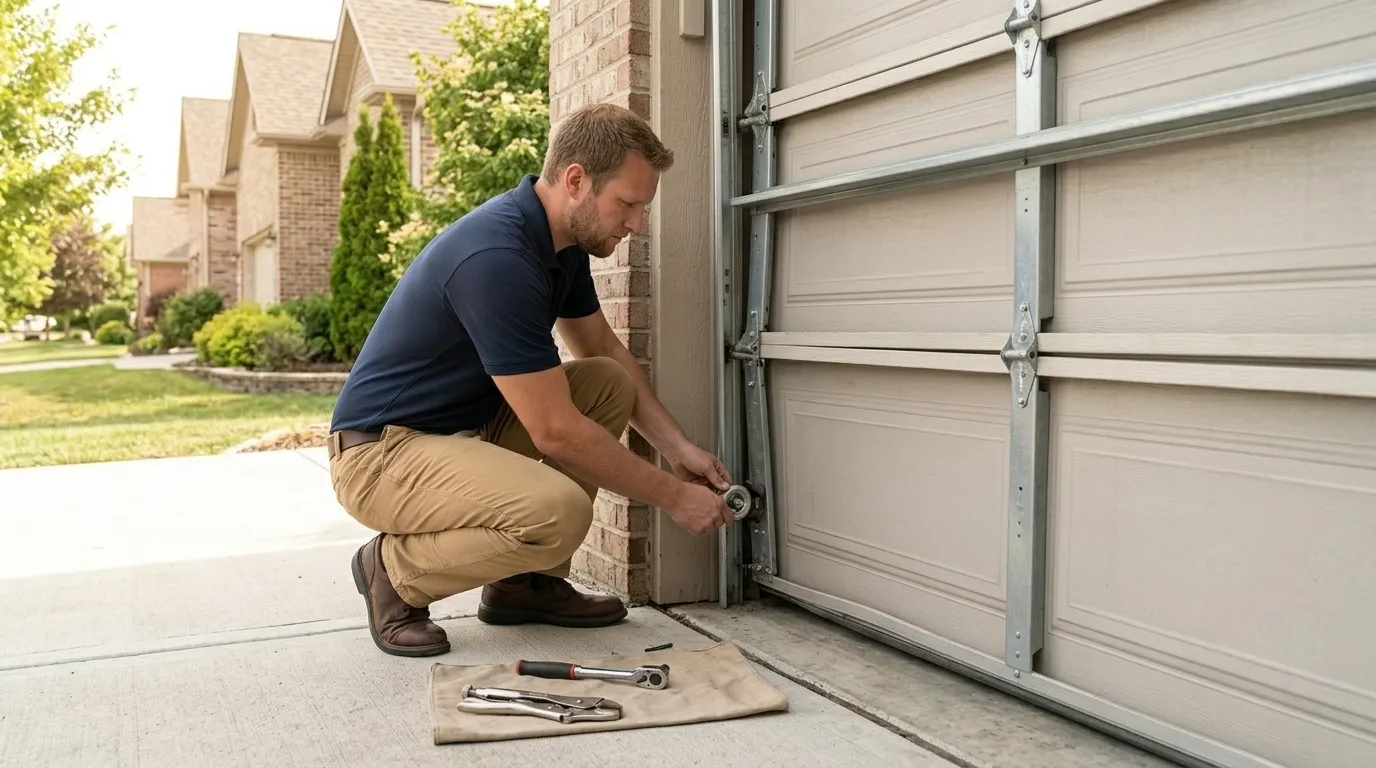
Off-track doors, snapped cables, bent panels and grinding openers - diagnosed and fixed.
Learn more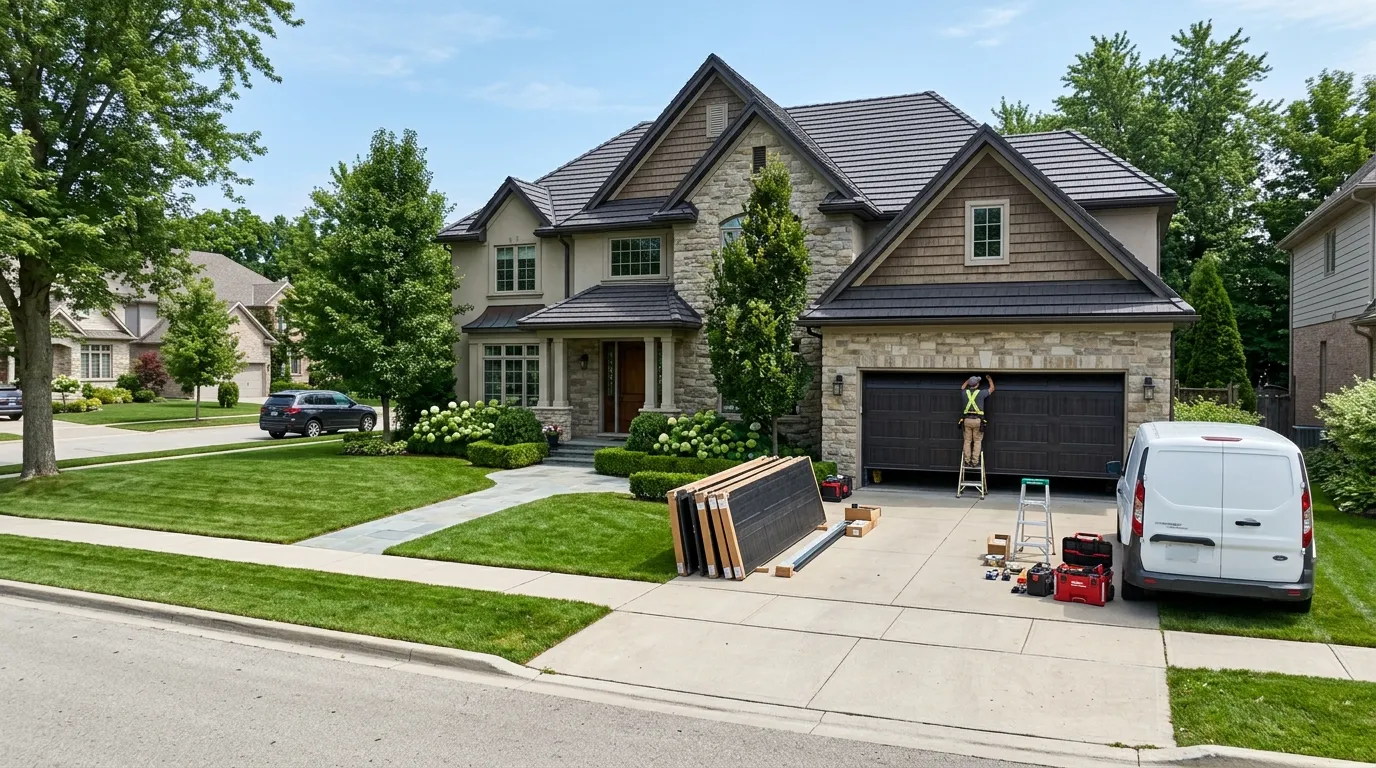
Torsion and extension springs replaced safely - the job you should never DIY.
Learn more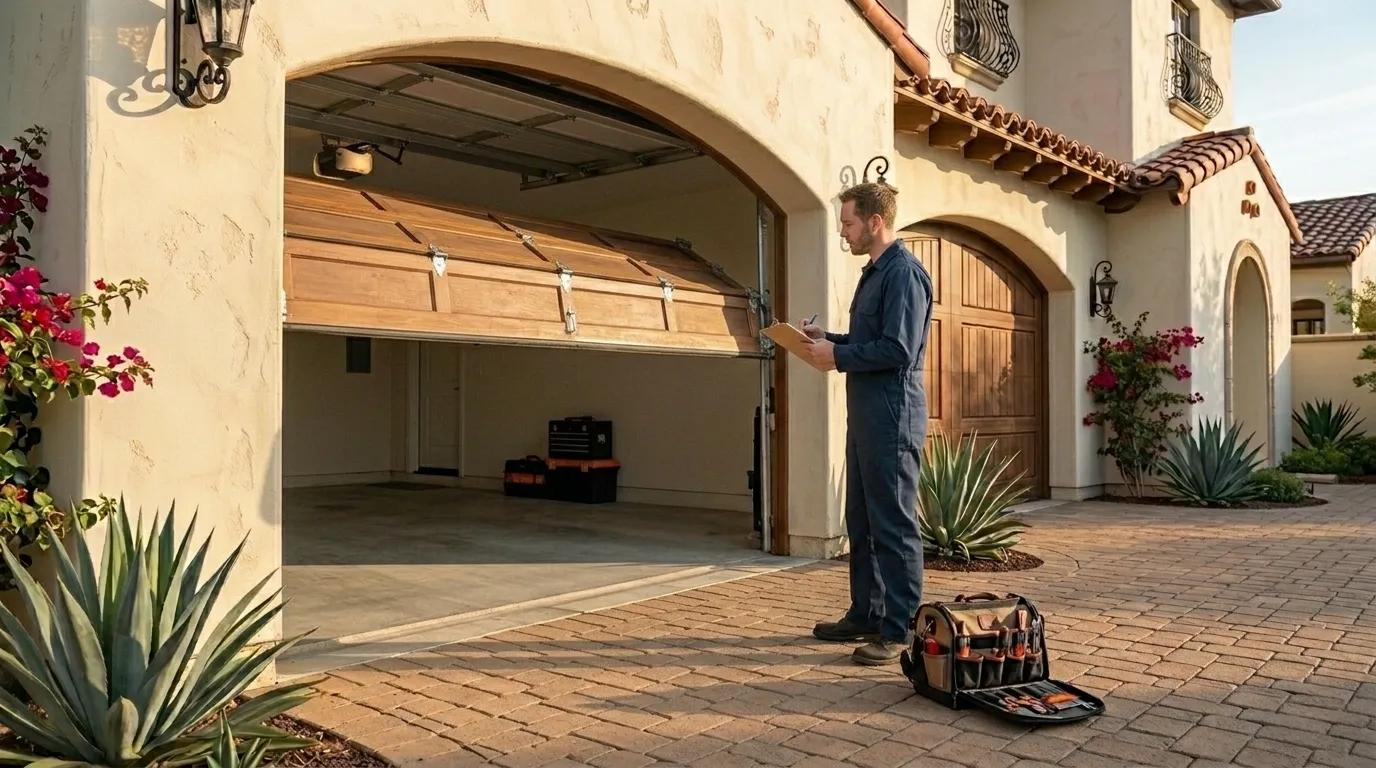
New openers sized to your door, wired, programmed and safety-tested.
Learn more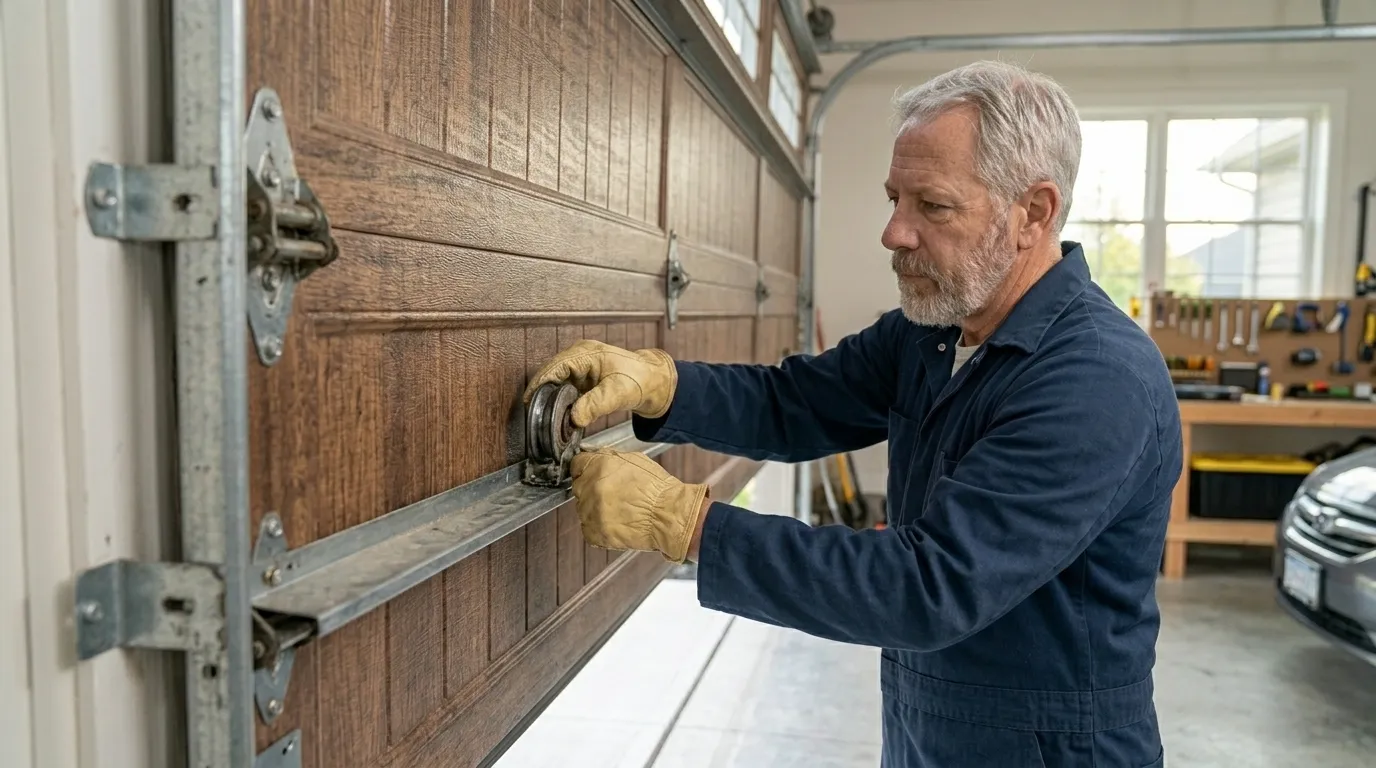
Worn nylon or steel rollers replaced to kill the grinding and shaking.
Learn more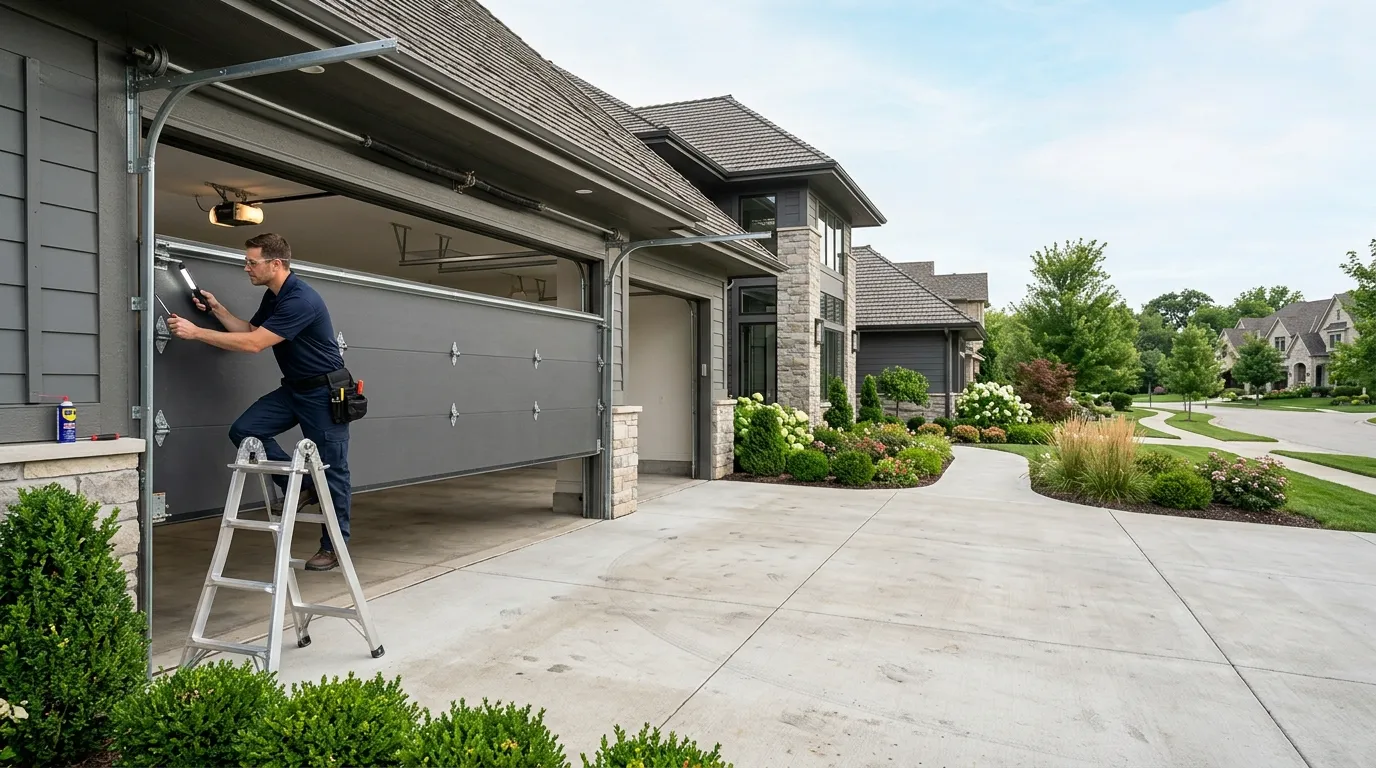
Spring tension, roller and track service that keeps an older door running quiet.
Learn more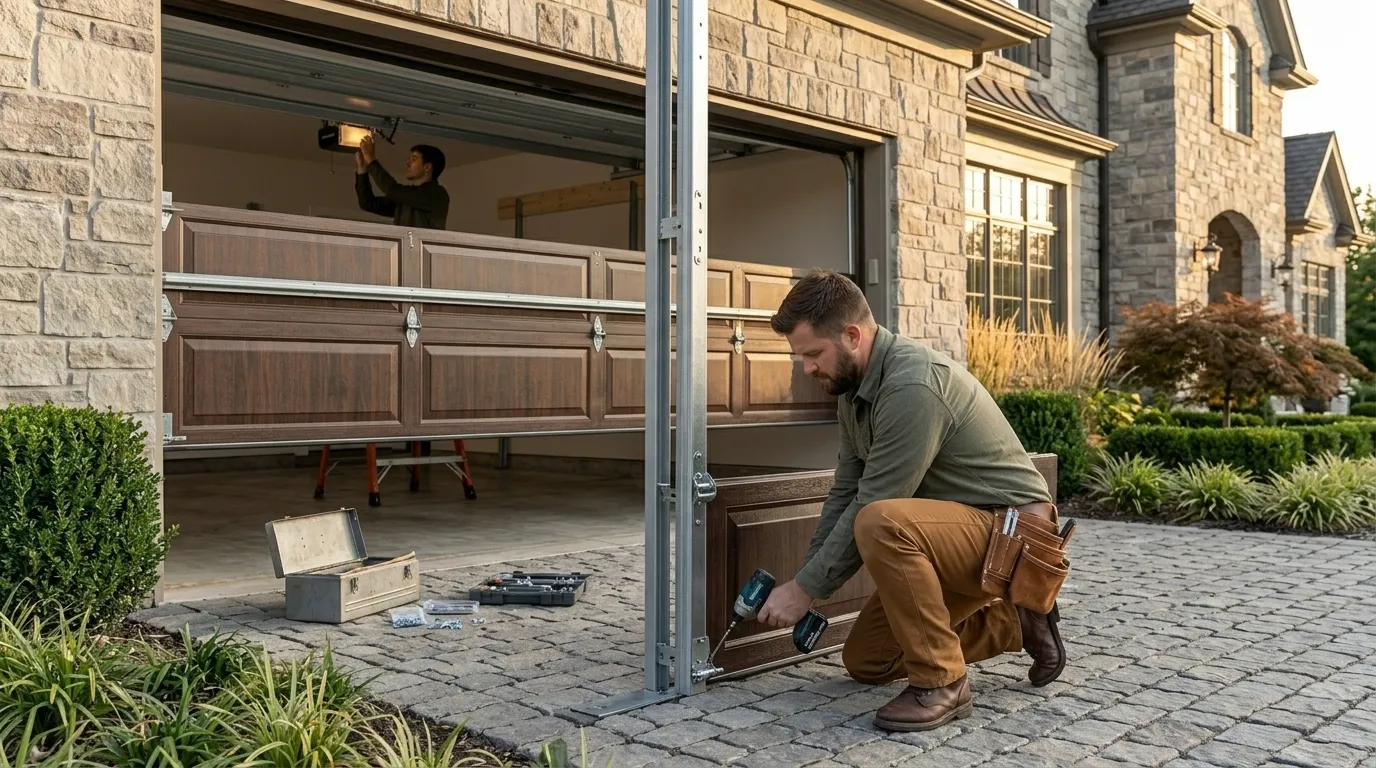
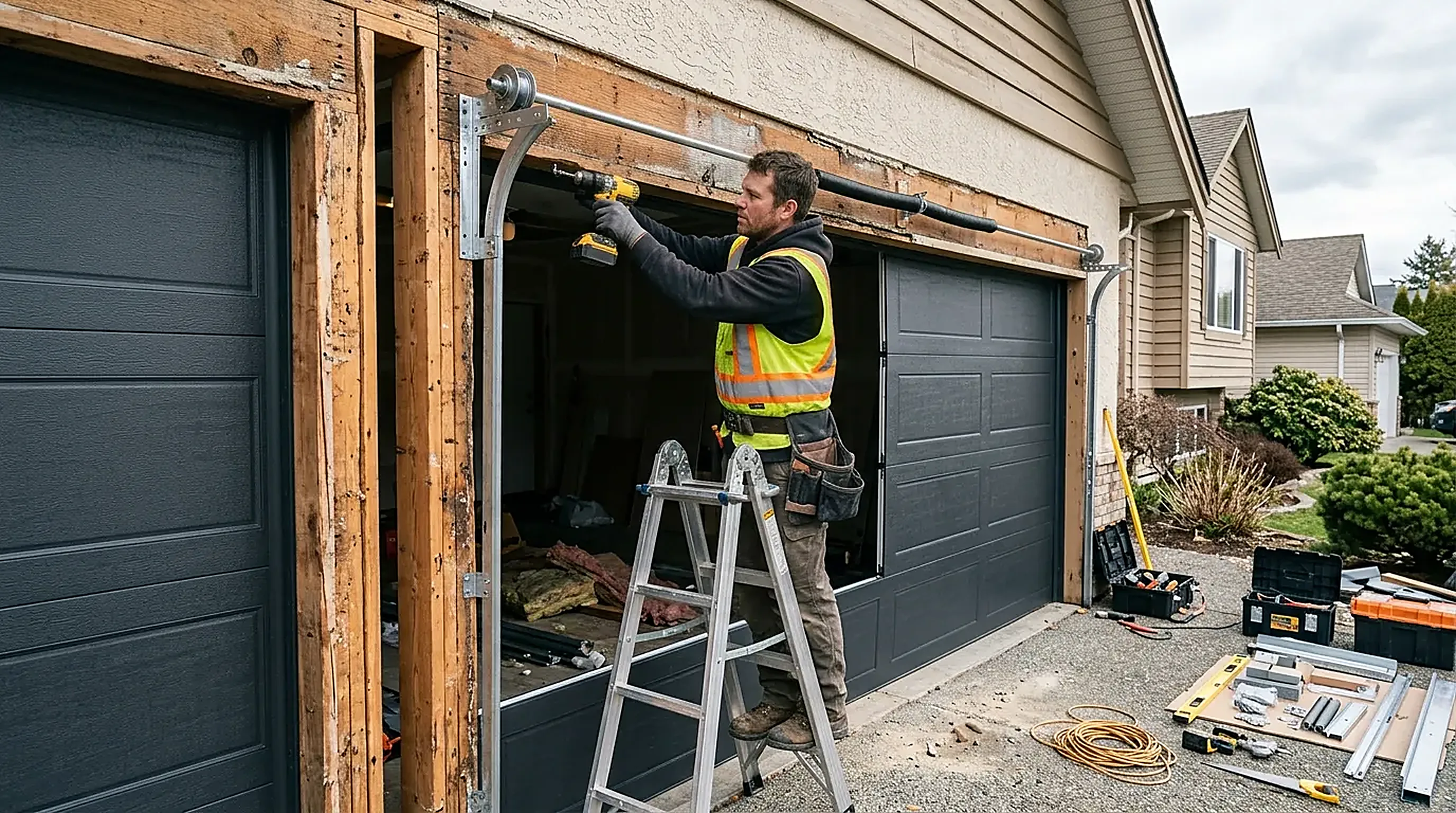
Most Ocala homes date to 1982-1994 with original doors past their service life. See what a straight install job looks like and why timing matters here.
Learn moreFast Response
A stuck or broken garage door can't wait. Call before the afternoon and we can usually be out the same day - most repairs are diagnosed and finished on the first visit, with an upfront price before any work starts.
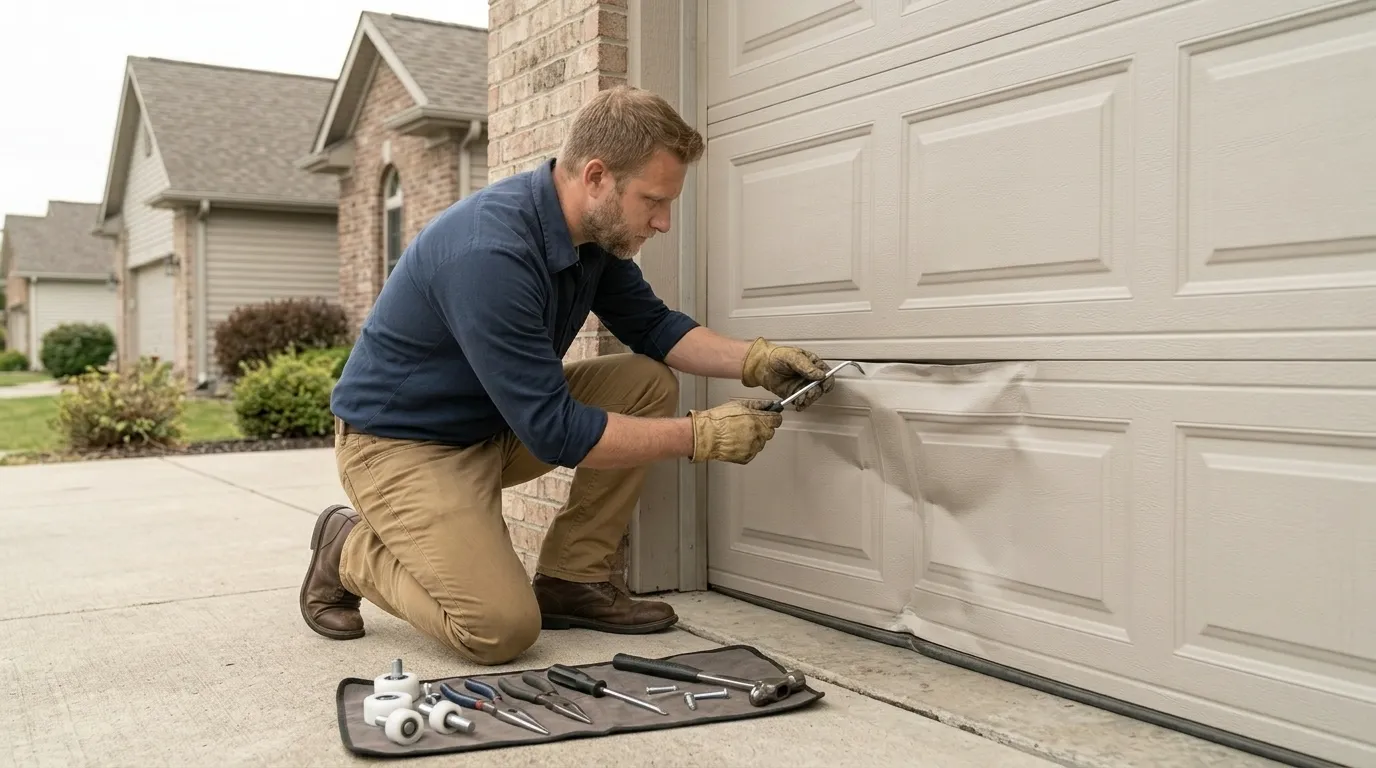 Same-day service
Why Ocala Calls Us
How It Works
Call or request a quote and describe what the door is doing - noise, off-track, won't open.
A tech inspects the springs, tracks, opener and panels and gives you a written price first.
Most repairs are done on the same visit; installs are scheduled around you.
Our Work
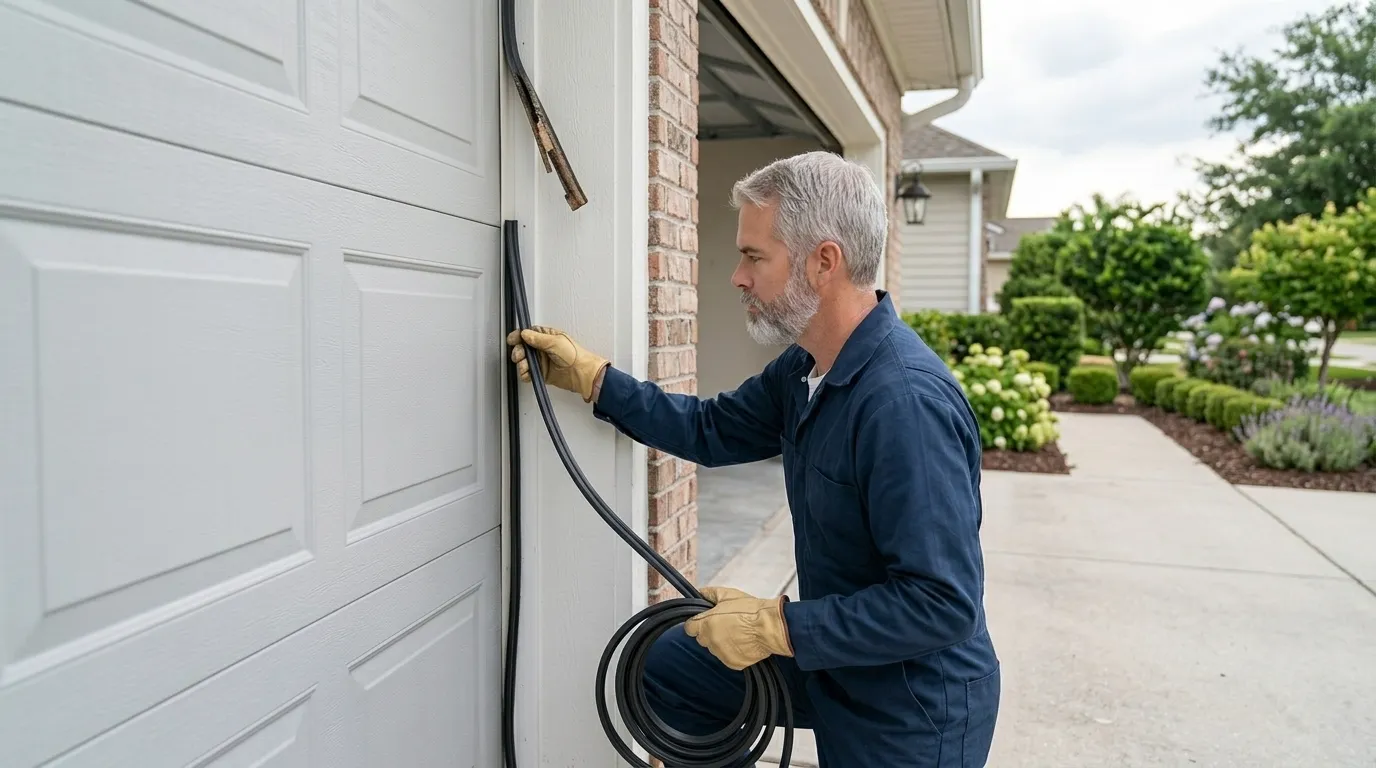
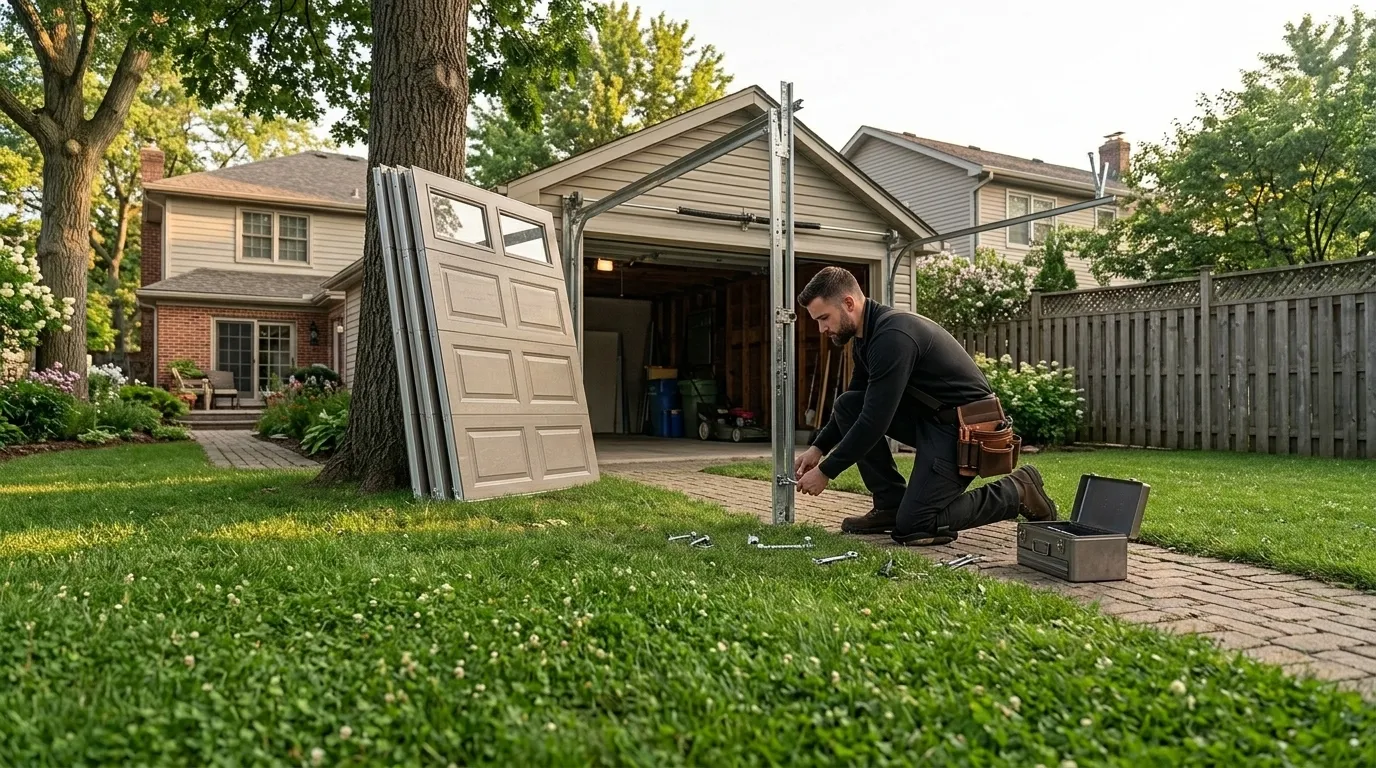
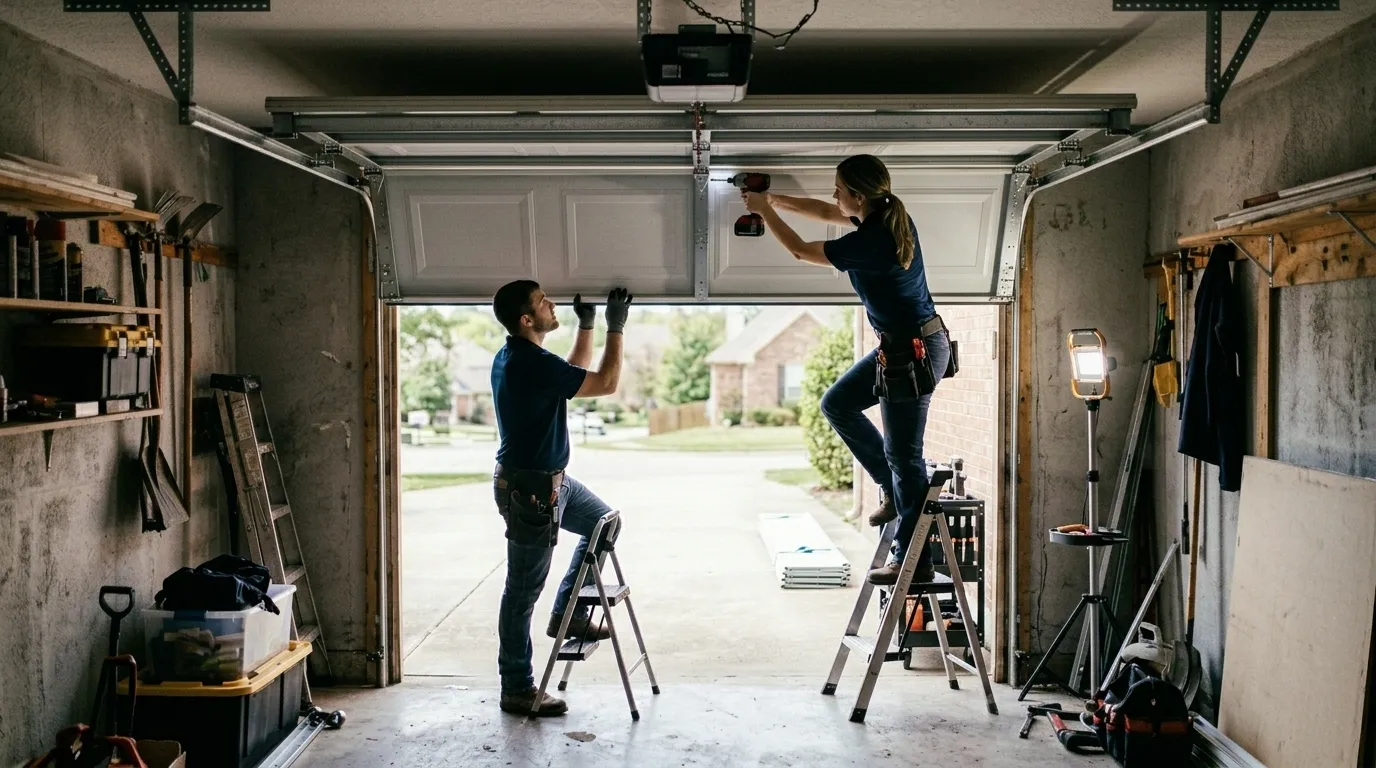
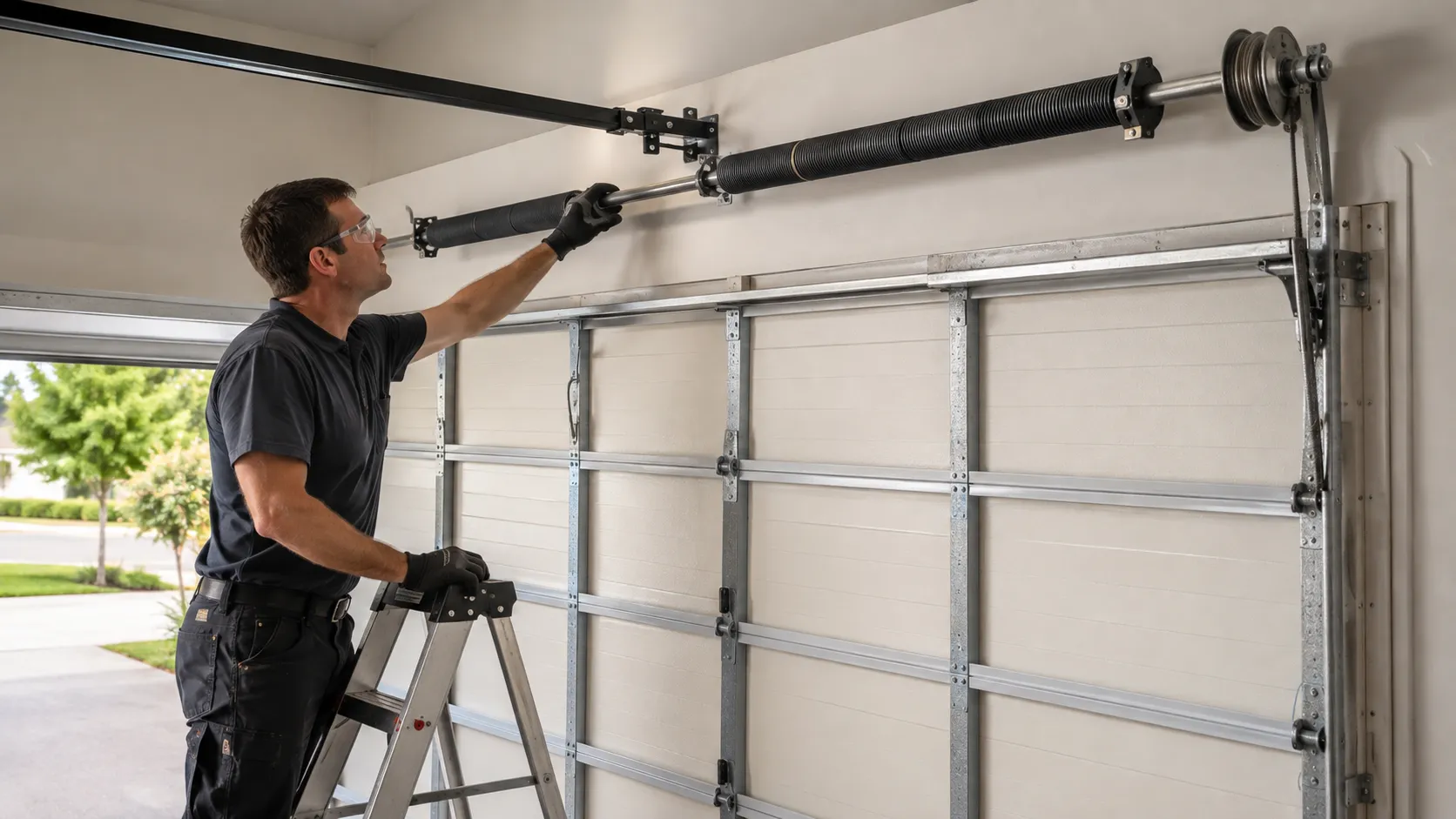
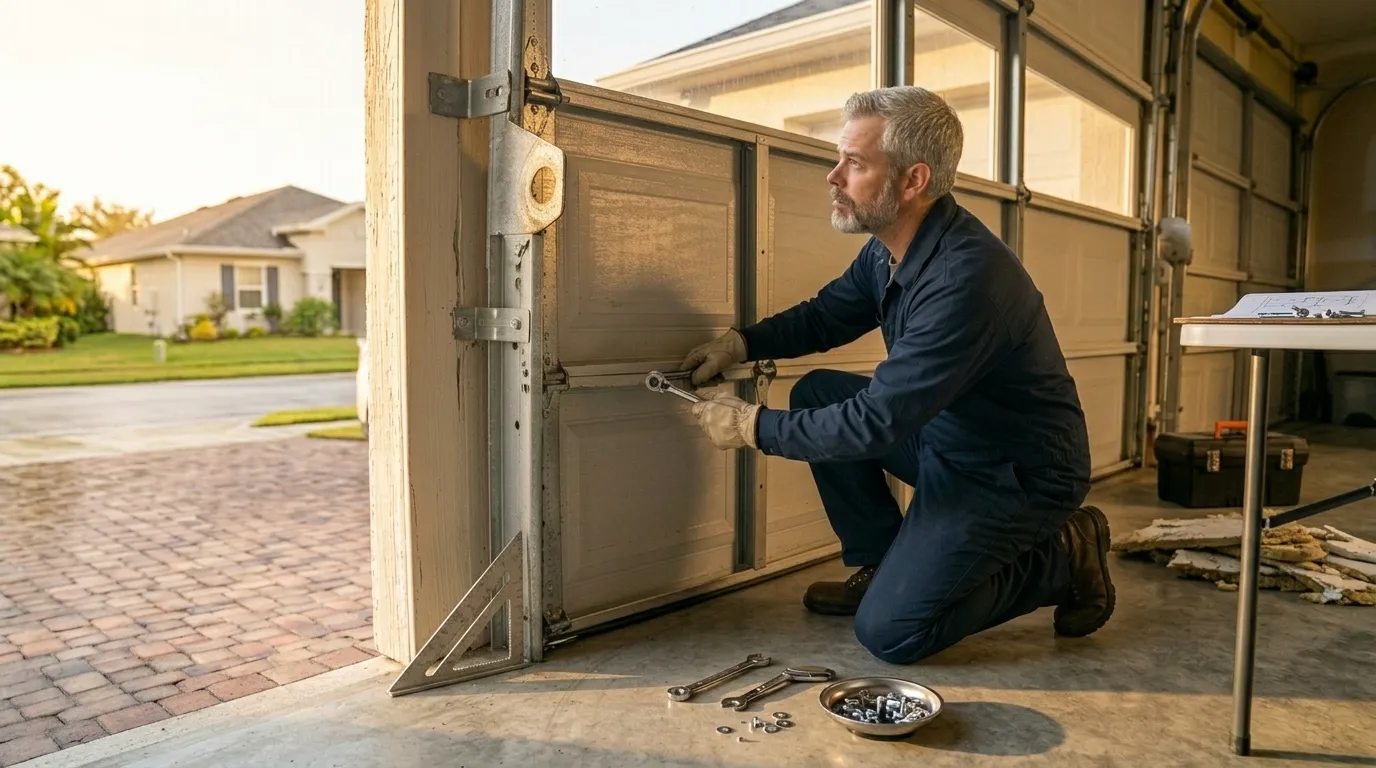
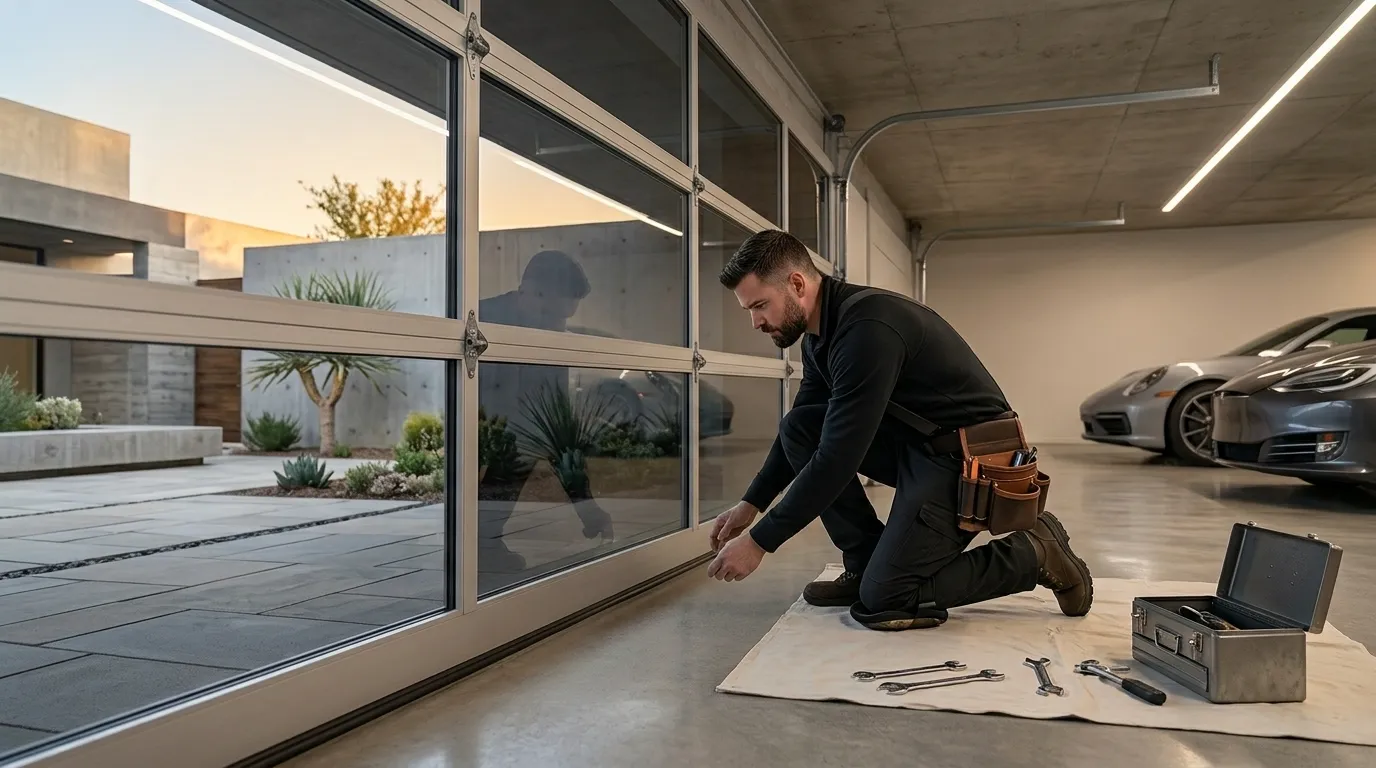
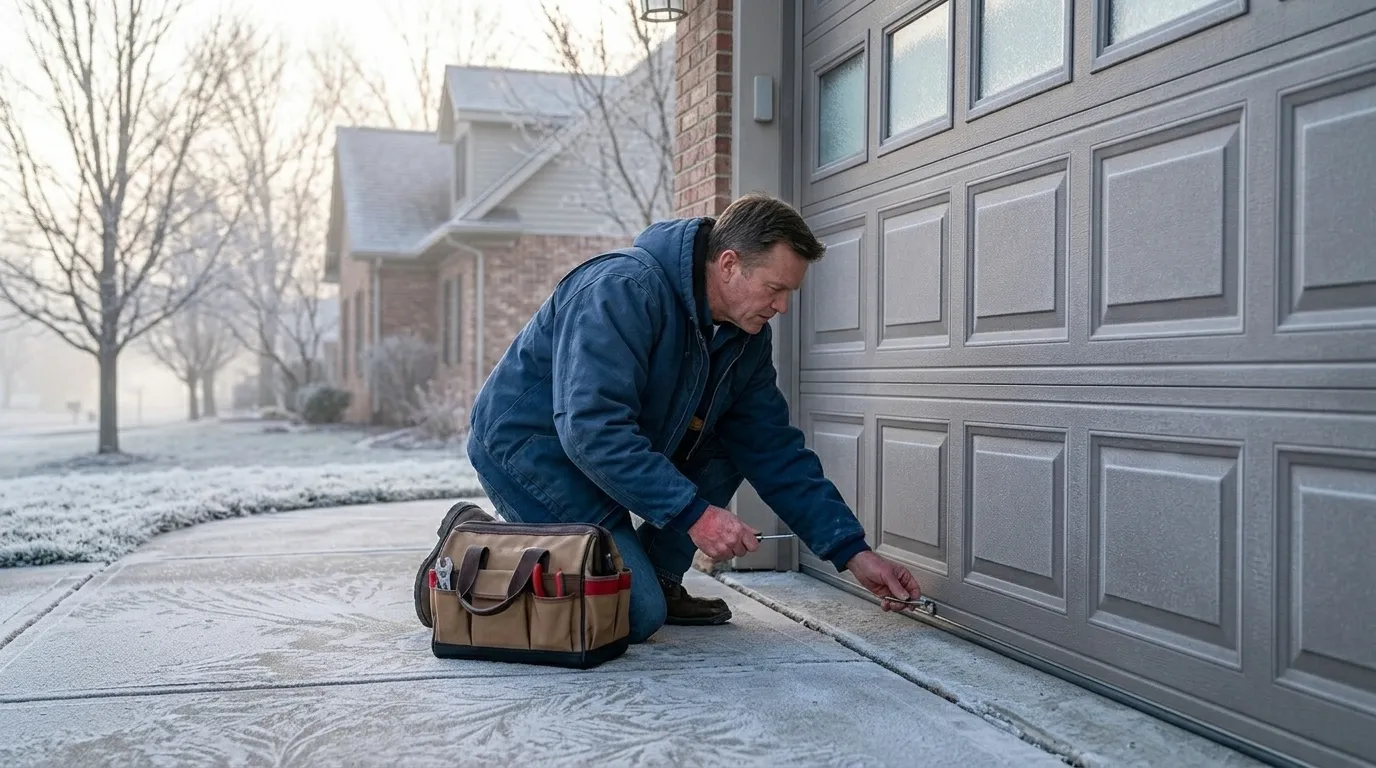
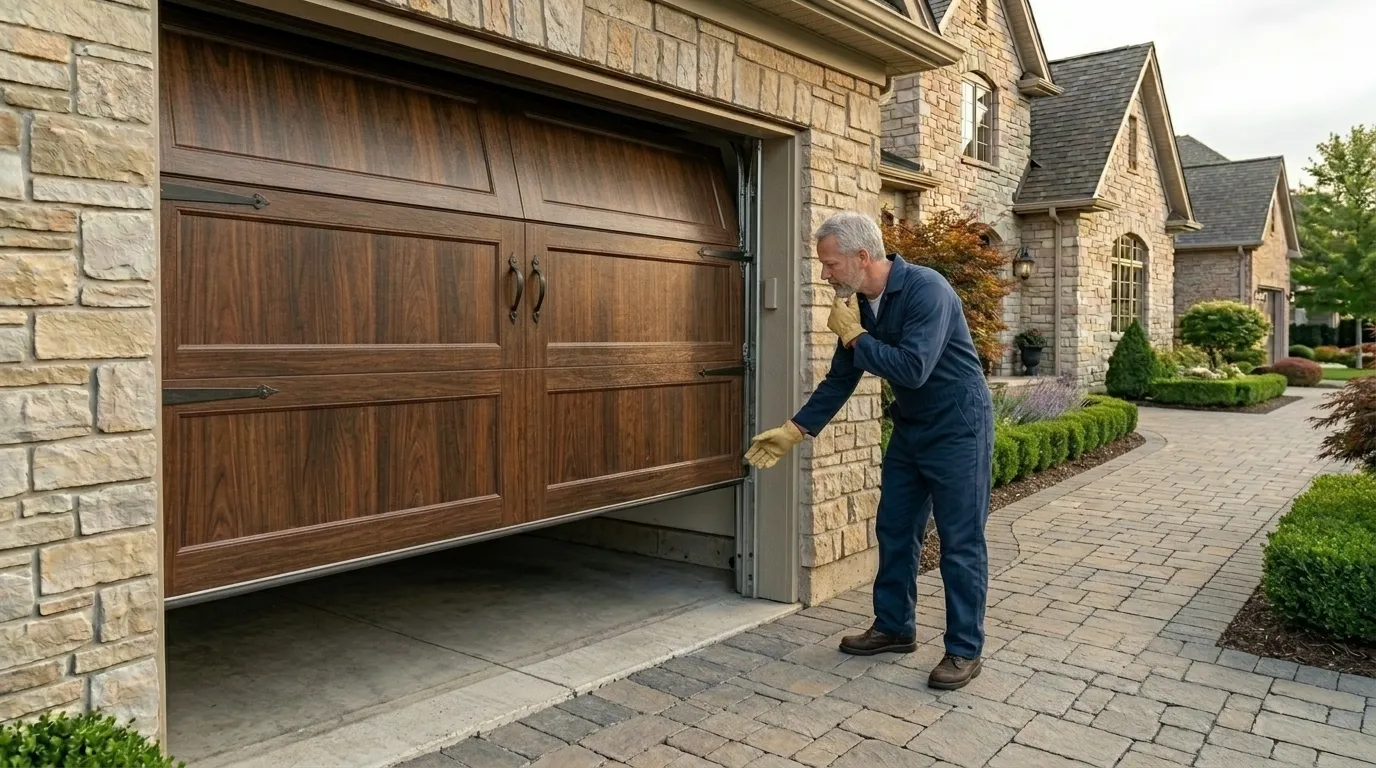
A look at doors, openers and springs we've installed and serviced across the Ocala metro.
Where We Work
Neighborhoods across the city and suburbs around the metro. Not sure if we reach you? Just ask.
Local Expertise
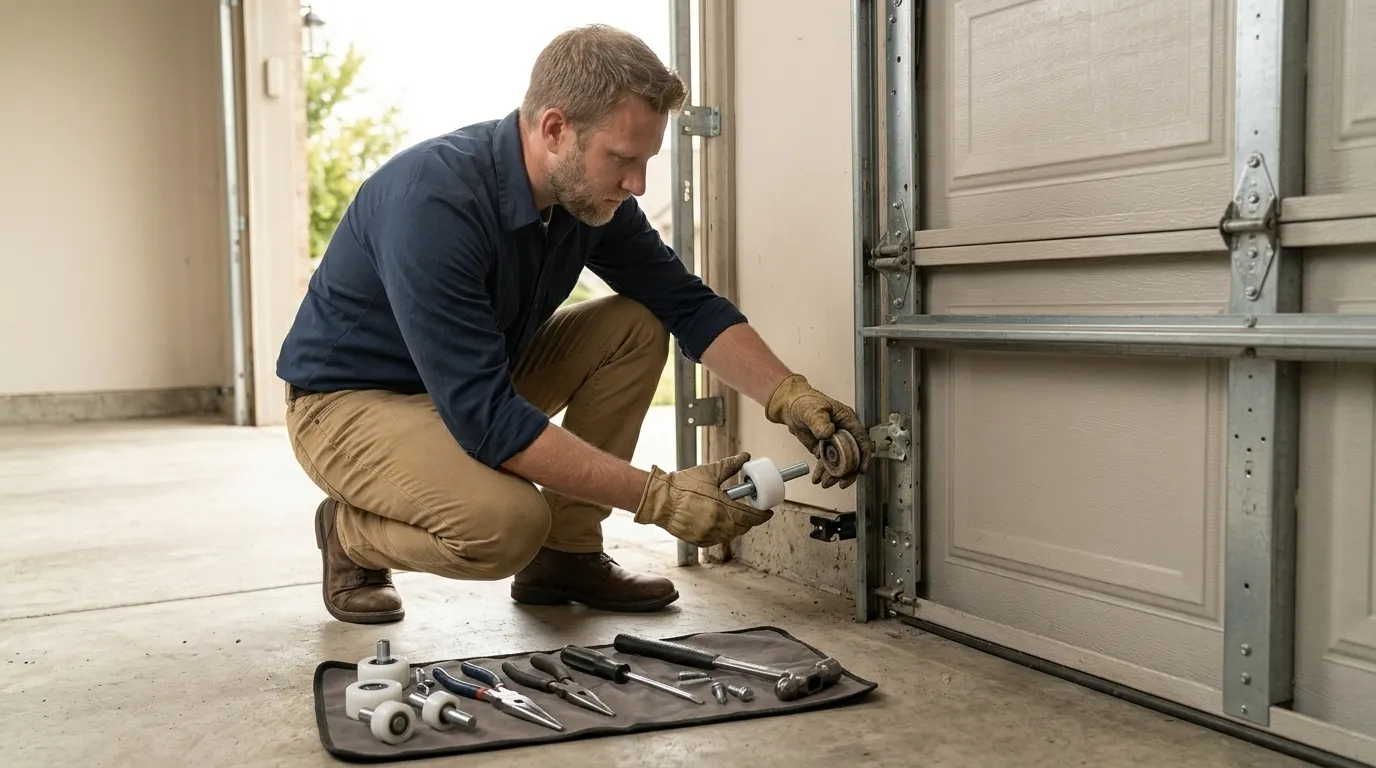
You tell us what the door is doing - won't open, makes a bang, sags on one side - and we ask what year the house went up, because around here that answers half our questions before we get in the truck. Most of the service area, from the Fort King District four miles east to Silver Springs Shores nine miles out, was built between 1982 and 1994, median 1983. That means most of the doors we see are original or close to it: same era of spring, same era of opener, same era of track hardware that nobody's replaced since the house was framed.
We ask enough on the phone to bring the right spring size and the right roller stock, because a torsion spring off a 1983 door isn't the same wind or wire gauge as one off a 2015 build, and showing up guessing wastes your afternoon and ours. If the job is a same-day fix - broken cable, snapped spring, opener that's stopped talking to the wall switch - we say so on the phone. If it sounds like something we need to look at first, we say that too.
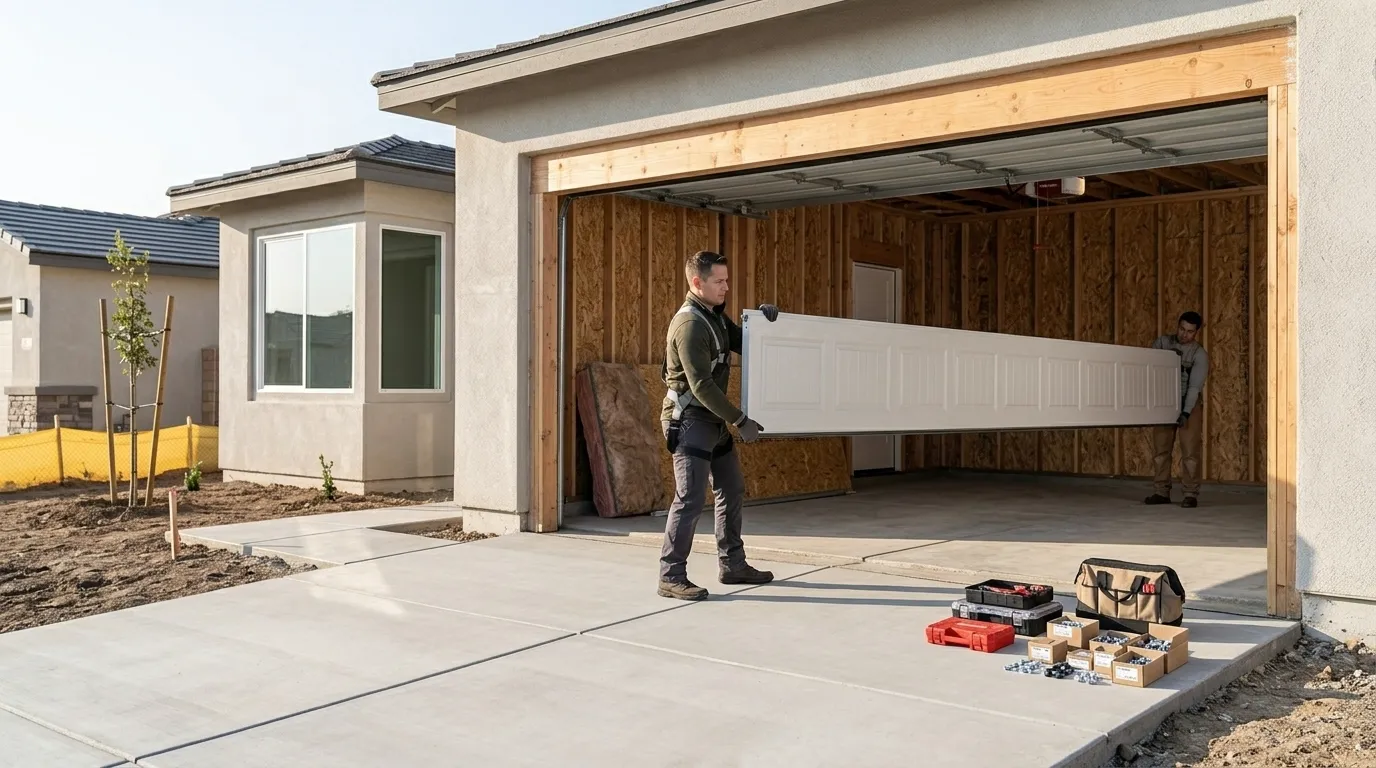
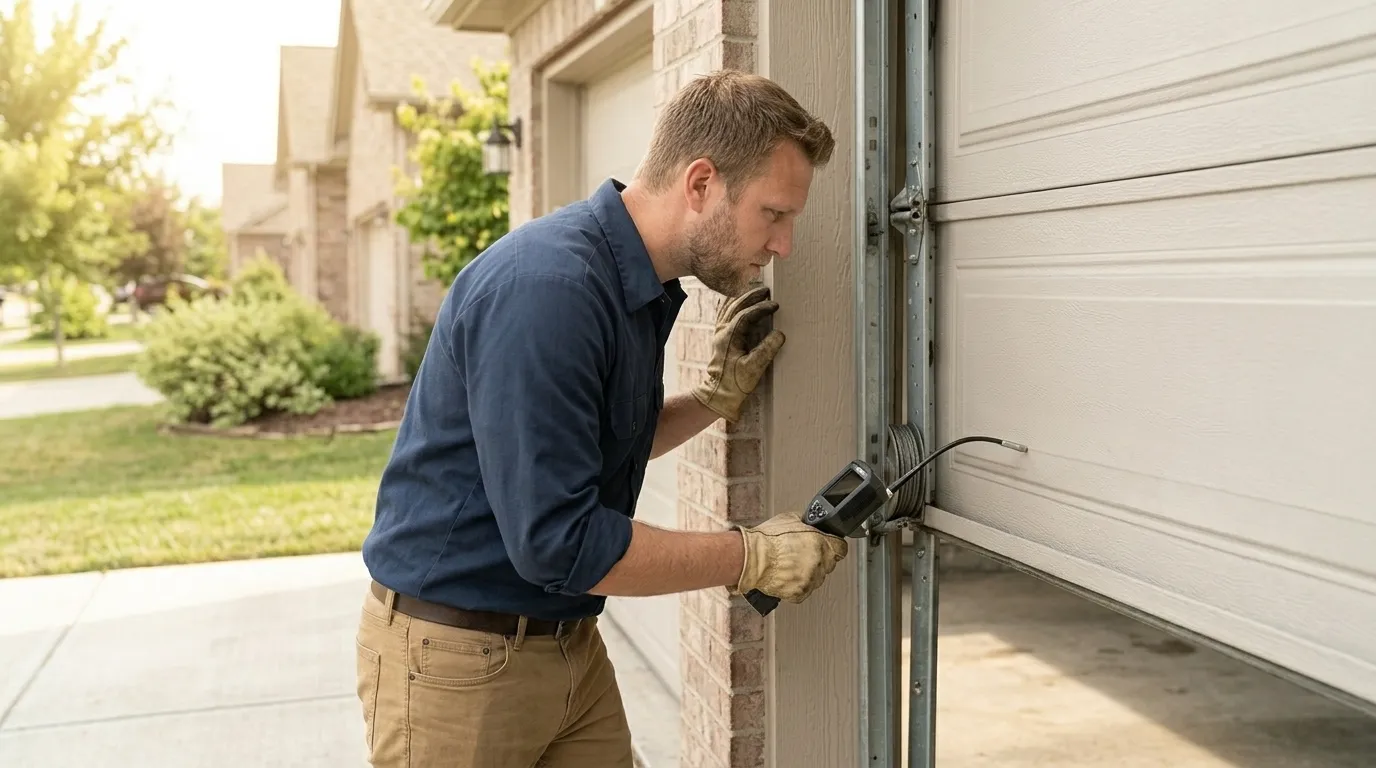
You're paying for the diagnosis as much as the part. A door that won't open could be a dead capacitor in the opener, a broken spring, a bent track, or a sensor that's out of alignment - four different jobs that all look the same from the kitchen doorway. We tell you which one it is before we start swapping parts.
We don't have a published price sheet here, and we won't pretend to quote you a number sight unseen - too much of it depends on what's actually broken and what part your door needs. What we will say is that in an area where the median household income sits at $44,479, we know most people calling us want the repair, not the sales pitch for a smart opener they didn't ask about. If the fix is a $40 roller, we tell you it's a $40 roller.
A repair is the right call more often than not on a door from the 1980s or 90s - springs, cables, rollers, and openers are all serviceable parts, and most failures on a door that age are exactly one of those. Where repair stops making sense is when the door panels themselves are rusted through, warped, or delaminating, or when the track and frame have shifted enough that no adjustment holds.
On a house built in the early-to-mid 1980s, that's the point we're starting to see more often as the original steel reaches its 40th year. If your opener is original too, we'll tell you plainly when a new one costs less over time than keeping the old motor running on borrowed parts. We won't push replacement on a door that just needs a spring.
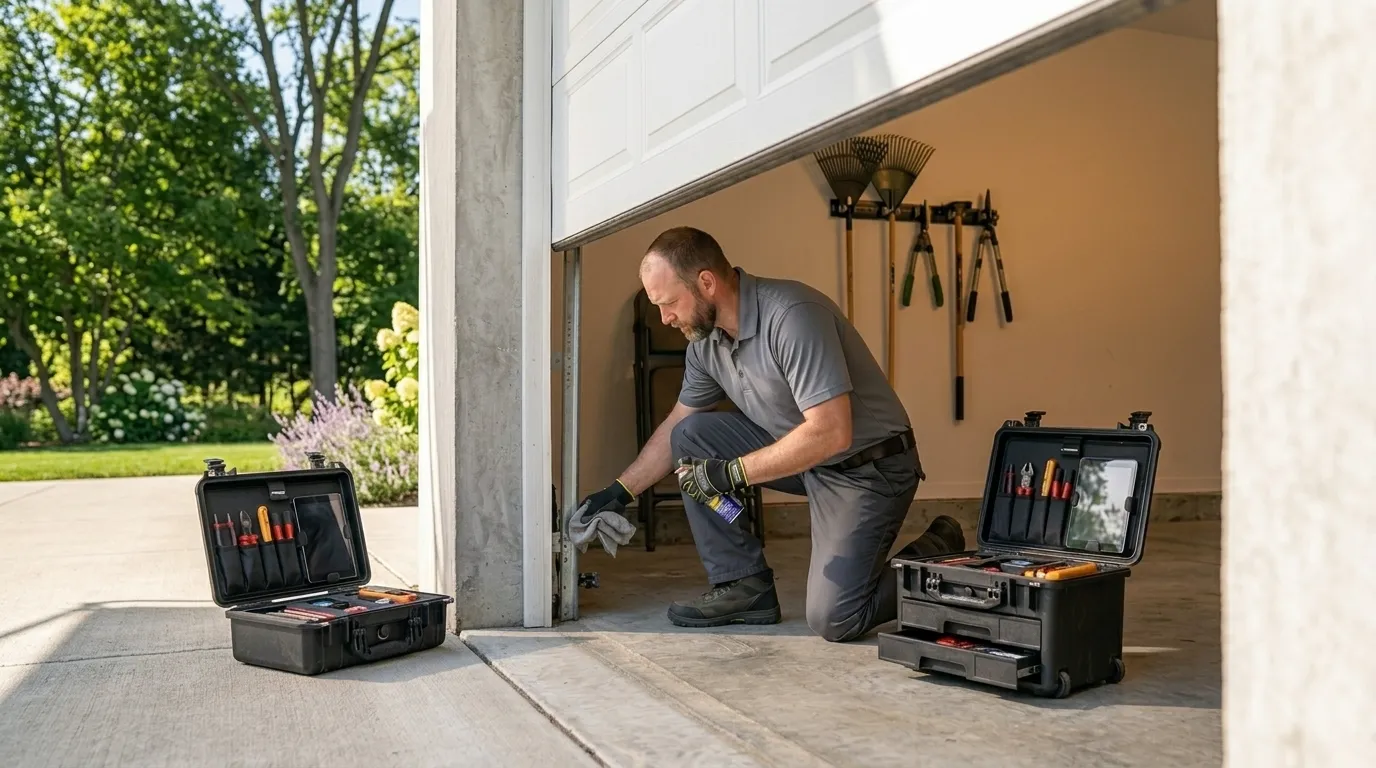
With housing across the service area sitting almost entirely in the 1980s-90s construction wave, the failures repeat in a pattern we recognize fast: torsion springs at the end of their cycle count, galvanized cable starting to fray at the drum, and openers with chain drives that have worn their sprockets down. Ocala's mild temperate climate means we're not fighting the freeze-thaw cracking or the humidity swelling that wrecks doors in harsher zones - the wood and steel here age slower, but forty years is forty years regardless of climate.
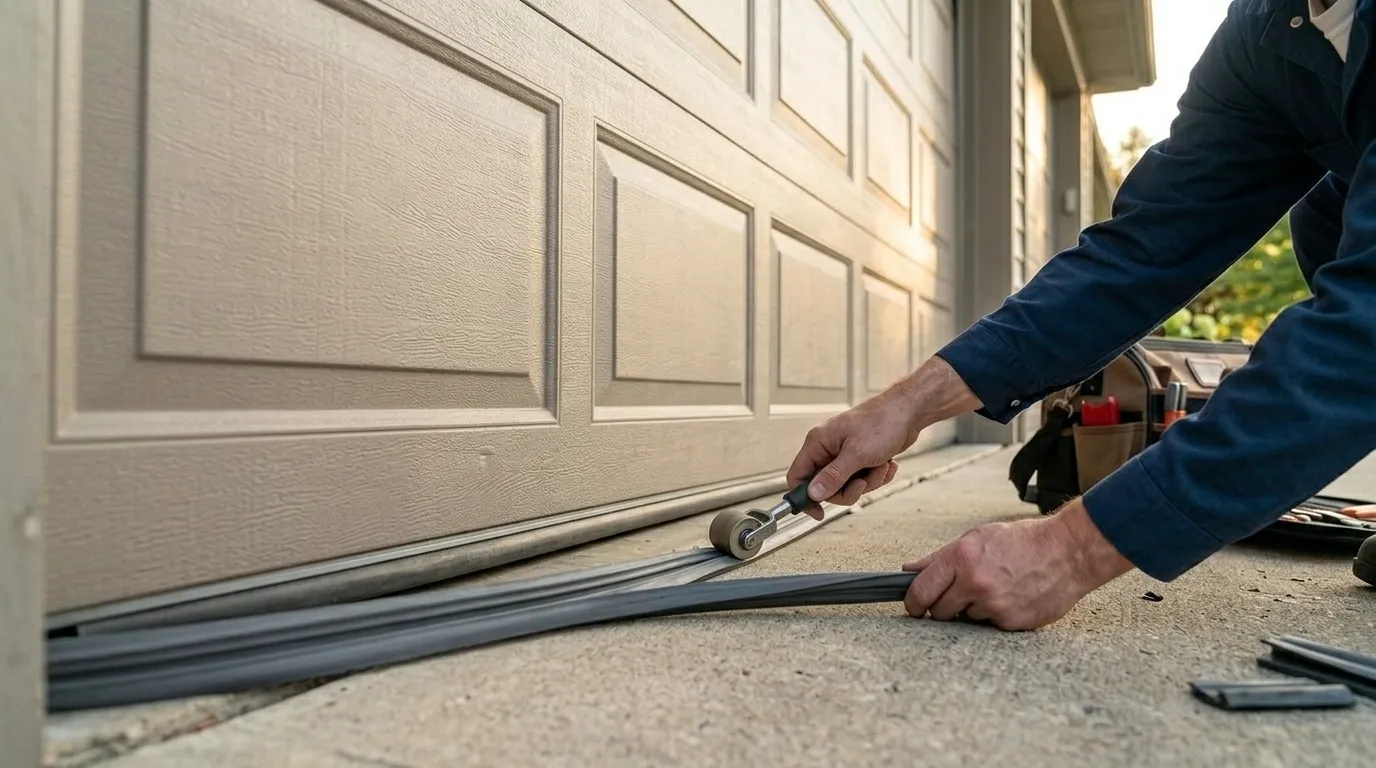
We also see a fair number of doors where a previous owner added a bottom seal or weatherstrip that's now the wrong size for the panel gap, which throws off how the door seats. It's a small thing, but it's common enough on original 1980s builds that we check for it on every service call without being asked.
The service area runs from Fort King District, four miles east, out through Silver Springs at six miles, Silver Springs Shores at nine, Belleview at ten, Rolling Hills at twelve to the west-southwest, Reddick at fourteen, and Dunnellon at eighteen. Across that spread, the housing is consistent in a way that makes our job more predictable than it might sound: mostly 1980s and 90s stock, median build year 1983.
That era of house came with a standard set of garage hardware - torsion spring setups, chain or belt openers depending on when they were later upgraded, steel or wood composite panels. Among the roughly 15,315 households in the area, about 9,371 are owner-occupied houses, which is the group most likely to still be running that original door setup or a first replacement from the 1990s or 2000s. Renters tend to call us less; landlords usually handle it through a property manager instead.
Good to Know
Most of the service area was built between 1982 and 1994, with a median build year of 1983, so a lot of the springs, cables, and openers we see are original to houses now approaching 40 years old. That's the single biggest predictor of what we'll find when we open the panel.
Yes - our coverage runs out to Silver Springs, Silver Springs Shores, Belleview, Rolling Hills, Reddick, Dunnellon, and the Fort King District, roughly four to eighteen miles from the center of town depending on direction.
Springs, cables, rollers, and openers are all repairable on a door that age, and most failures are one of those parts. Replacement makes more sense once the panels themselves are rusted, warped, or the frame has shifted - we'll tell you straight which situation you're in.
The mild temperate climate here doesn't put doors through the freeze-thaw stress or heavy humidity swelling seen in harsher regions, so failures are driven more by age and hardware wear than by weather damage.
Call now or request a free quote - same-day service on most repairs, upfront written pricing.